Best CRM for Online Course Creators: My 2026 Picks
Workspace369 is my #1 CRM pick for online course creators who sell through applications or consultations and need the relationship connected to onboarding, communication and billing. It runs the work around enrollment, from application to paid invoice. Keep lessons, assessments and learner progress in your course platform.
Founder disclosure: I founded Workspace369 and App369 and benefit when people buy from them. The ranking reflects my priorities for this sales-led workflow. I reviewed official vendor documentation on September 29, 2026; this is not an independent benchmark or a claim that I tested every product. Examples below are fictional.

AI-generated editorial illustration of the enrollment handoff.
In this guide: Ranked options · Evaluation exercise · Common questions
Best CRM for online course creators: my ranking
| My rank | Product | Best fit in this shortlist |
|---|---|---|
| 1 | Workspace369 | Consultation-led sales connected to onboarding and billing |
| 2 | Close | A team focused on sales conversations and pipeline execution |
| 3 | Kajabi | Creators seeking course delivery and contact management in one platform |
| 4 | HubSpot | A broader marketing and sales operation |
If most buyers purchase a self-paced course without talking to anyone, start with your course platform’s existing capabilities. My ranking is for a different situation: an applicant needs a conversation, a decision and a reliable handoff to someone managing enrollment.
1. Workspace369: my pick for managing the relationship around enrollment
I care about whether the admissions conversation remains useful after the sale. A person applying to a cohort may ask about dates, payment terms or additional support. Those commitments should be findable by the teammate handling onboarding.
Workspace369 brings client records, requests, scheduling, conversations, proposals, projects and invoices together. For this workflow, I would configure the record around the applicant, use clear stages and assign responsibility for the next action. The record should explain what was agreed before anybody grants course access.
The pairing matters to the purchase: keep courses in Kajabi or your learning platform, and run applications, proposals, client messages and invoices in Workspace369. Connect the two through webhooks and the API from Specialist, and test enrollment handoffs with sample applicants.
Pricing reference: the monthly USD plans are $29 for one seat on Cadet, $74 for two on Voyager, $149 for ten on Specialist, $299 for twenty on Commander and $699 for fifty on Enterprise. SMS begins at Voyager ($74), while voice and payment plans begin at Specialist ($149). Check plan coverage and allowances before designing a communication workflow. A base subscription is not the entire cost of a course business.
2. Close: my alternative for a dedicated sales team
Close combines sales communication with pipeline management. I would compare it when the admissions team’s priority is managing many conversations and follow-ups. Ask the team to demonstrate the handoff after a sale; sales activity and confirmed learning access are different records.
3. Kajabi: my alternative when the course platform is the main decision
Kajabi’s contact tools sit beside its course-business offering. That makes it relevant when the creator wants delivery and audience administration in the same platform. If your enrollment is simple, inspect that existing setup before adding another database of people.
4. HubSpot: my alternative for a wider growth operation
HubSpot’s CRM is worth considering when a team needs a broader marketing and sales system. Specify the products and plan required for your process. I would choose based on the configuration and operating cost, rather than the number of possible features.
The applicant test I would use before buying
Create three fictional applicants: someone ready for the next cohort, someone who needs a later date, and someone whose needs do not fit the program. The CRM should make all three outcomes clear. Moving everybody toward a purchase is not an adequate test of the process.
For each person, record the program, the source of the inquiry, the current decision and the owner of the next step. Schedule a consultation where appropriate. After the conversation, document the actual outcome rather than leaving the person in a generic follow-up stage.
For the successful applicant, record the agreed terms and payment status. Ask the onboarding teammate to identify the correct cohort and confirm access in the learning platform. For the deferred applicant, record a suitable future action. For the unsuitable applicant, stop the sales process and preserve the decision.
A booked call is not an enrollment
I would keep appointment status, sales status and access status separate. Someone can book a call and miss it. Someone can accept an offer and still have an unresolved payment question. Someone can pay and still be waiting for course access.
Those distinctions prevent ambiguous records. They also make measurement useful: count applications, attended conversations, accepted offers and confirmed access separately. Do not label booked calls as students or promised payments as collected revenue.
The evaluation worksheet can hold the observations. Add the person responsible for each handoff and the evidence that closes it. That is more informative than a feature checklist with every box marked yes.
Inspect the record the onboarding person actually receives
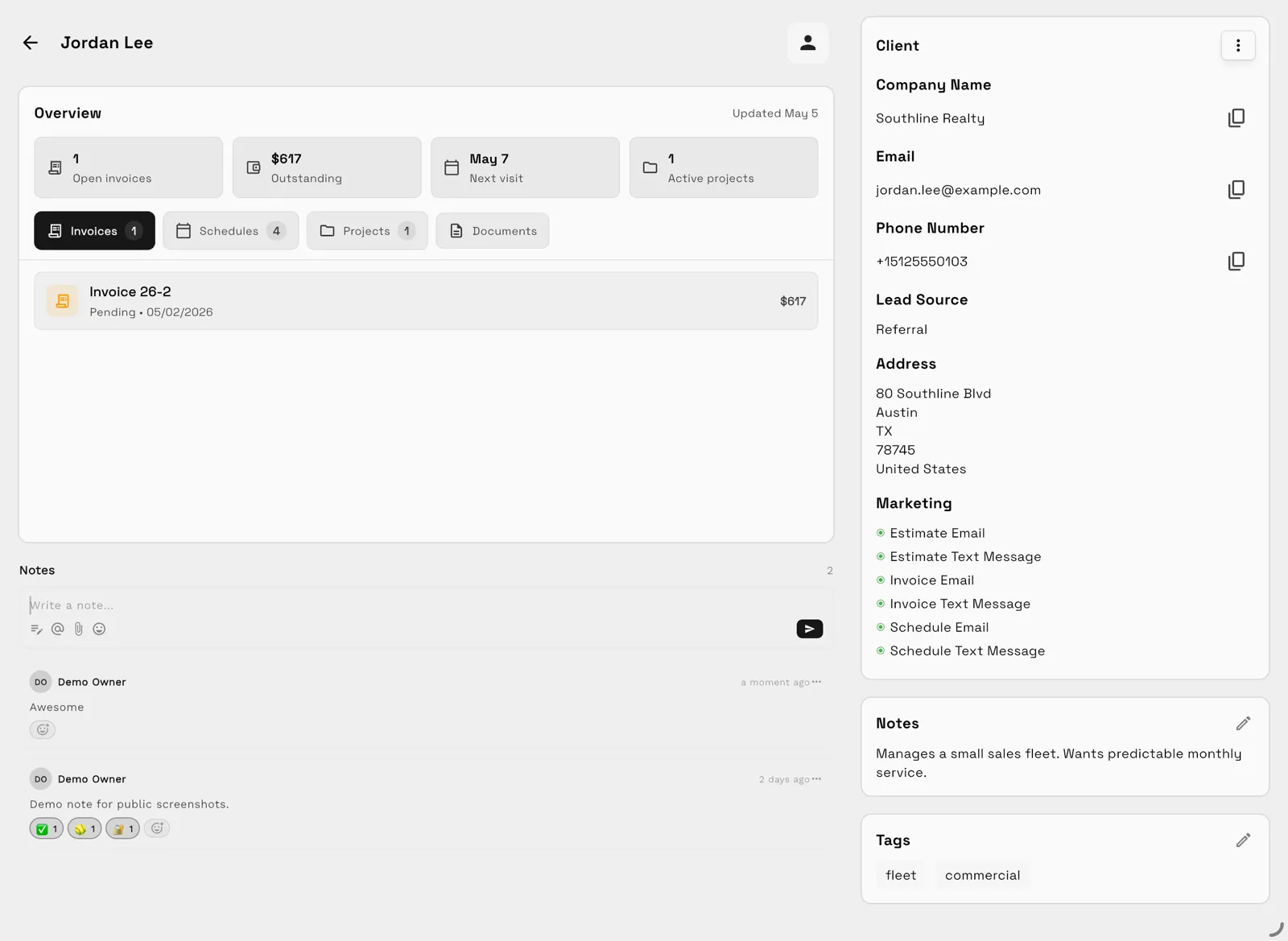
Demo client data. This shows record organization, not a course-hosting interface or a customer outcome.
Use the course creator product overview to assess the enrollment workflow, and read the buying guide for a wider requirements checklist. My consultant CRM guide is also relevant if your course includes substantial advisory work.
Frequently asked questions
Can Workspace369 host my course?
Keep course hosting, assessments and learner-progress tracking in your learning platform. Workspace369 runs the client relationship around it: applications, sales follow-up, onboarding work and billing. Test any connection between the two with sample applicants before relying on it.
Is this recommendation suitable for a low-cost self-paced course?
Only if you have a separate relationship-management need. A straightforward checkout and delivery flow may already be covered by your course platform. I recommend Workspace369 first here for programs with applications, consultations and ongoing client work.
What should I test before moving applicants?
Test successful, deferred and unsuitable applicants, plus a missed call and an access problem. Confirm who owns each action and which system holds payment and enrollment truth. Use fictional data first, then move a small authorized pilot once the process is clear.